Interior Design in Jakarta: Commercial & Residential Innovation
Interior design in Jakarta is no longer about styling spaces—it is about responding intelligently to how the city lives, works, consumes, and evolves. As Indonesia’s economic engine and a dense мегacity with complex social rhythms, Jakarta demands interior environments that are strategic, climate-aware, culturally grounded, and operationally efficient.
This article explores unique interior design ideas that transform both commercial and residential spaces in Jakarta, through the lens of urban economics, lifestyle behaviour, and spatial intelligence. Written from the perspective of a professional Jakarta interior design company, the focus here is analytical and forward-thinking—design as a system that shapes performance, experience, and long-term value.
Understanding How Jakarta Lives, Works, and Experiences Space
Jakarta’s urban fabric is defined by contrasts: high-rise CBD towers in Sudirman–Thamrin and SCBD, lifestyle-led mixed-use hubs in Kuningan and PIK, and expansive residential enclaves stretching toward South Jakarta and satellite cities. Economic drivers include finance, tech, logistics, creative industries, and hospitality, while population density and traffic congestion strongly influence how people use space.
Socially, Jakarta is communal and experience-driven. Work and leisure often blend; malls function as social infrastructure; dining is a cultural ritual; and homes must accommodate family life, domestic staff, and increasingly, work-from-home patterns. The tropical climate—heat, humidity, heavy rainfall—adds another layer of complexity to material choice, ventilation, and durability.
Interior design in Jakarta must therefore balance density with comfort, luxury with practicality, and global aspirations with local realities.
Designing Hotels that Reflect the Identity of Jakarta
Experiential Hospitality Beyond Aesthetics
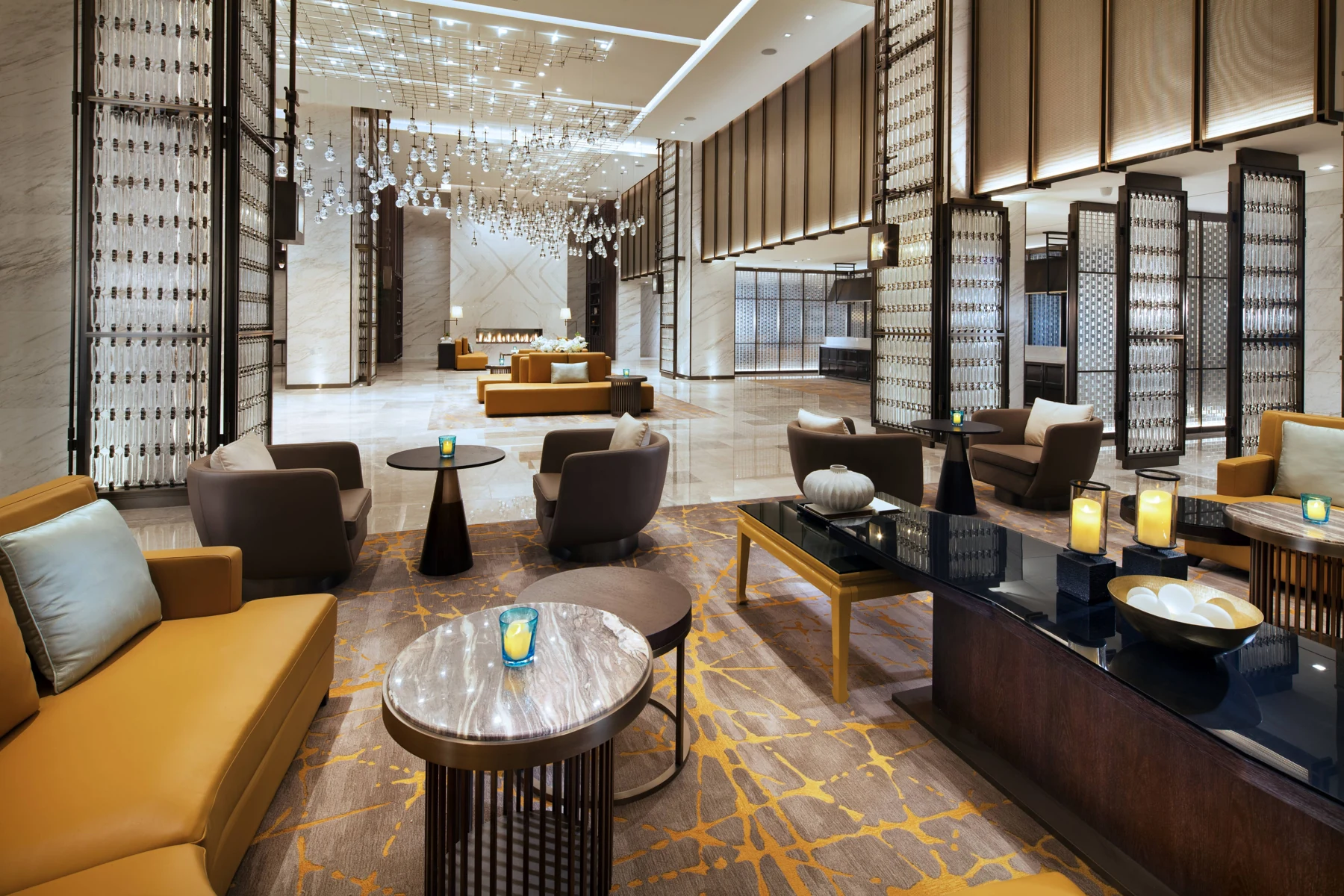
Hotel design in Jakarta must compete not only with international brands but also with serviced apartments and lifestyle residences. Successful hotel interiors are rooted in guest journey mapping—from arrival experience and lobby flow to room comfort and F&B integration.
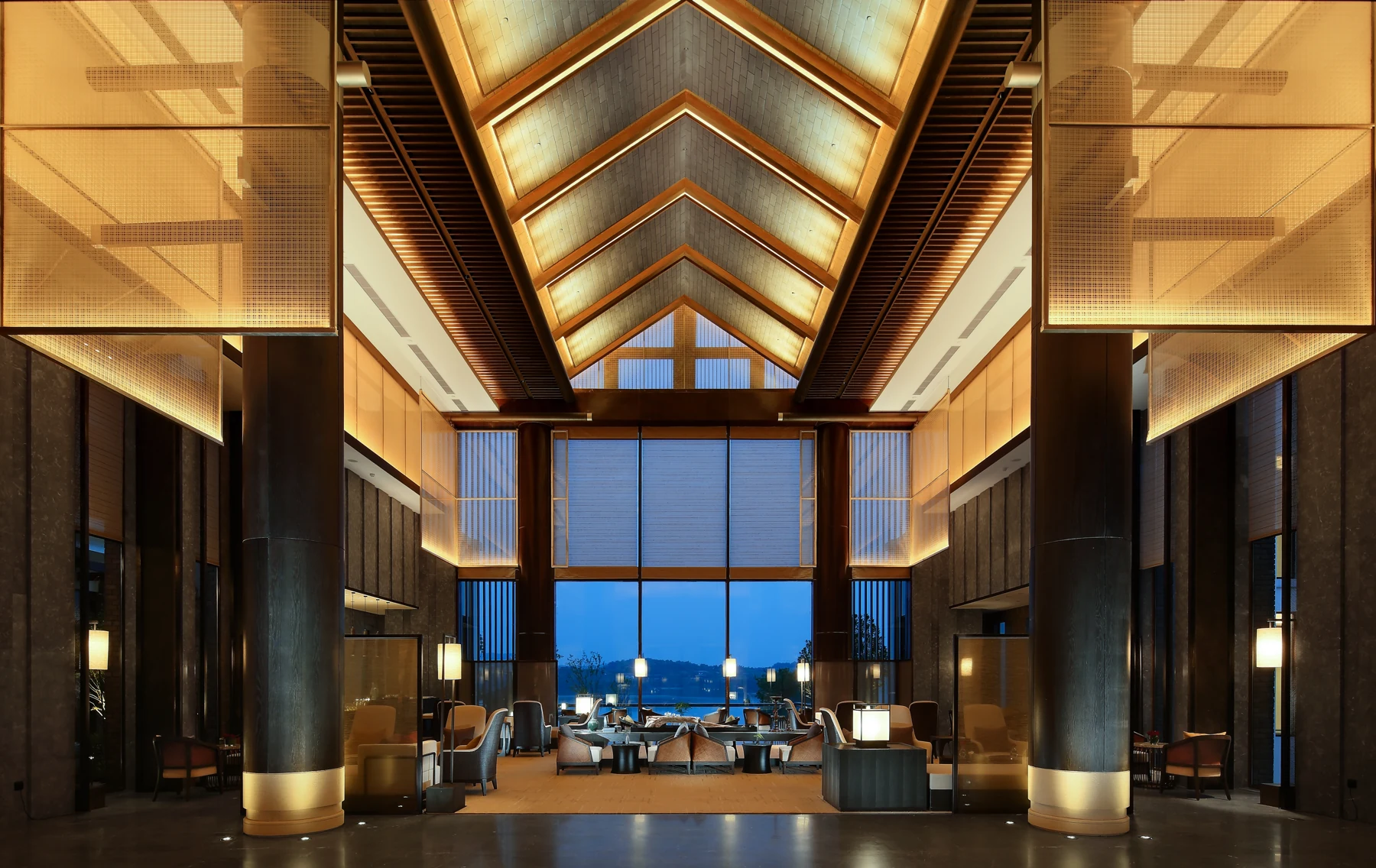
Climate-responsive strategies are essential: shaded transitions, breathable public areas, and materials that age well in humid conditions. Rather than literal cultural motifs, effective hotel design interprets Indonesian identity through textures, proportions, and spatial sequencing—kayu, batu, layered lighting, and a sense of calm amid urban intensity.
Operational efficiency is equally critical. Back-of-house clarity, durable finishes, and flexible public zones allow hotels to adapt to events, business travellers, and leisure guests alike. In Jakarta, hospitality design succeeds when it feels both international and unmistakably local.
High-Performance Workplace Design in Jakarta
Responding to Hybrid Work and Talent Competition
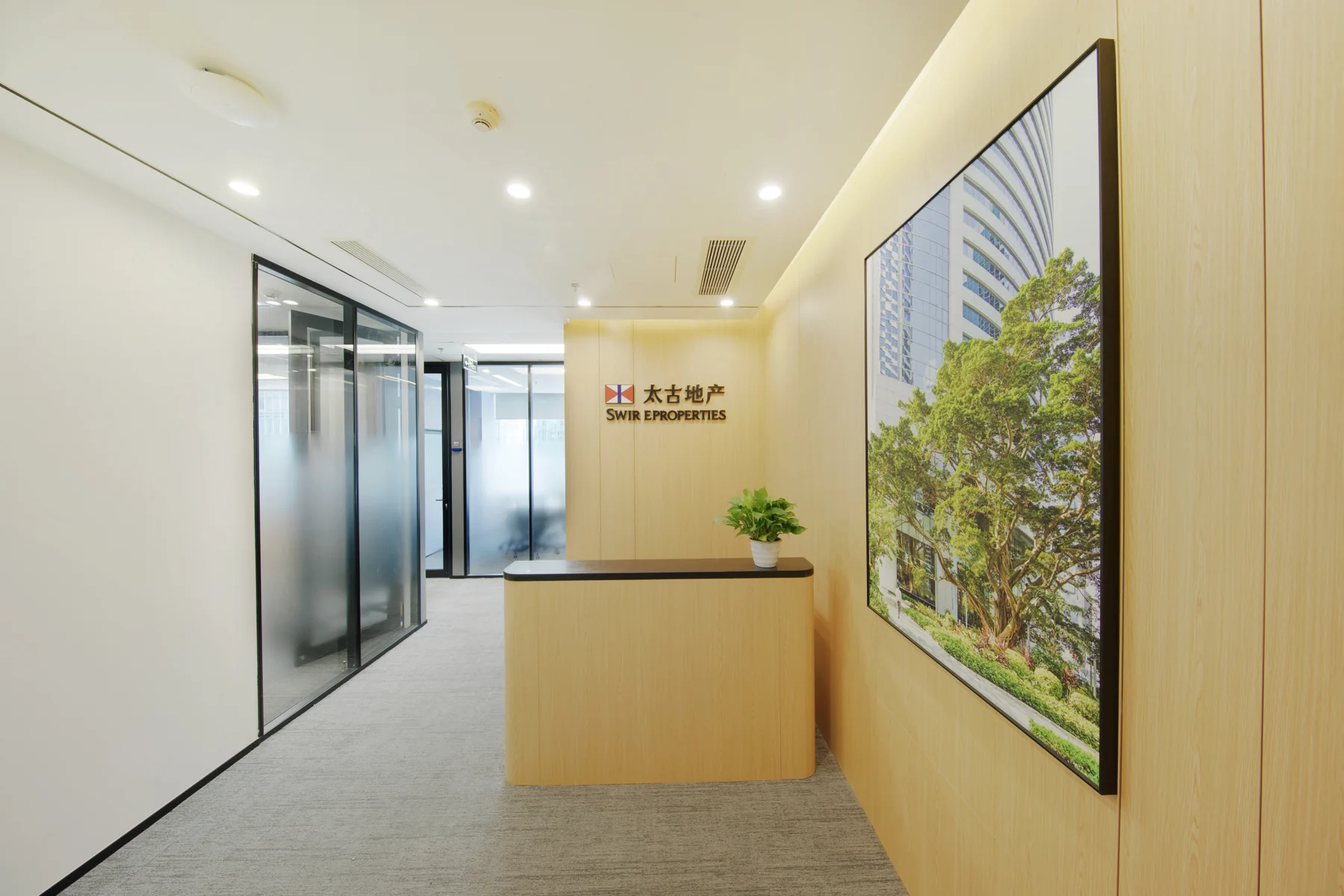
Office interiors in Jakarta are evolving rapidly. With hybrid work now embedded in corporate culture, offices are no longer attendance machines—they are collaboration platforms, brand statements, and talent magnets.
High-performance workplace design focuses on:
-
Spatial flexibility: activity-based work zones rather than fixed desks
-
Productivity optimisation: acoustic control, daylight access, ergonomic planning
-
Wellbeing integration: biophilic elements, rest zones, prayer rooms (musholla), and healthy circulation
-
Technology readiness: seamless AV, smart meeting rooms, and infrastructure that supports future upgrades
Jakarta’s workforce values hierarchy but increasingly seeks autonomy and comfort. Offices must support focused work while enabling social interaction—kerja fokus tapi tetap kolaboratif. ESG considerations, energy efficiency, and long-term operational cost control are now part of the design brief, not add-ons.
Creating Social Destinations Through Restaurant & Club House Design
Designing for Atmosphere, Identity, and Visibility
Jakarta’s F&B scene is intensely competitive and socially driven. Restaurants and club houses succeed when they become destinations—places people return to and share online.
Interior design strategies include:
-
Clear zoning for dining, socialising, and private gatherings
-
Acoustic layering to manage noise without killing energy
-
Lighting as storytelling, shifting from day to night
-
Material contrast that photographs well and feels tactile
Club houses in residential developments or lifestyle complexes require a balance of exclusivity and openness. They must support community building while reinforcing brand positioning—luxury, wellness, or family-oriented. In Jakarta, design directly influences dwell time, loyalty, and social media visibility.
Designing Homes that Respond to the Way Jakarta Lives
Apartments, Houses, Villas, and Bungalows
Residential interior design in Jakarta varies dramatically by typology.
-
Apartments & Condos (CBD, Kuningan, BGC):
Compact layouts demand spatial efficiency, integrated storage, and multi-functional rooms. Privacy, sound insulation, and smart home integration are key. -
Landed Houses & Bungalows (South Jakarta, Pondok Indah, Kemang):
Zoning is essential—formal vs informal spaces, family vs service areas, indoor–outdoor transitions. Multi-generational living remains common, requiring flexibility and privacy balance. -
Villas & High-End Homes:
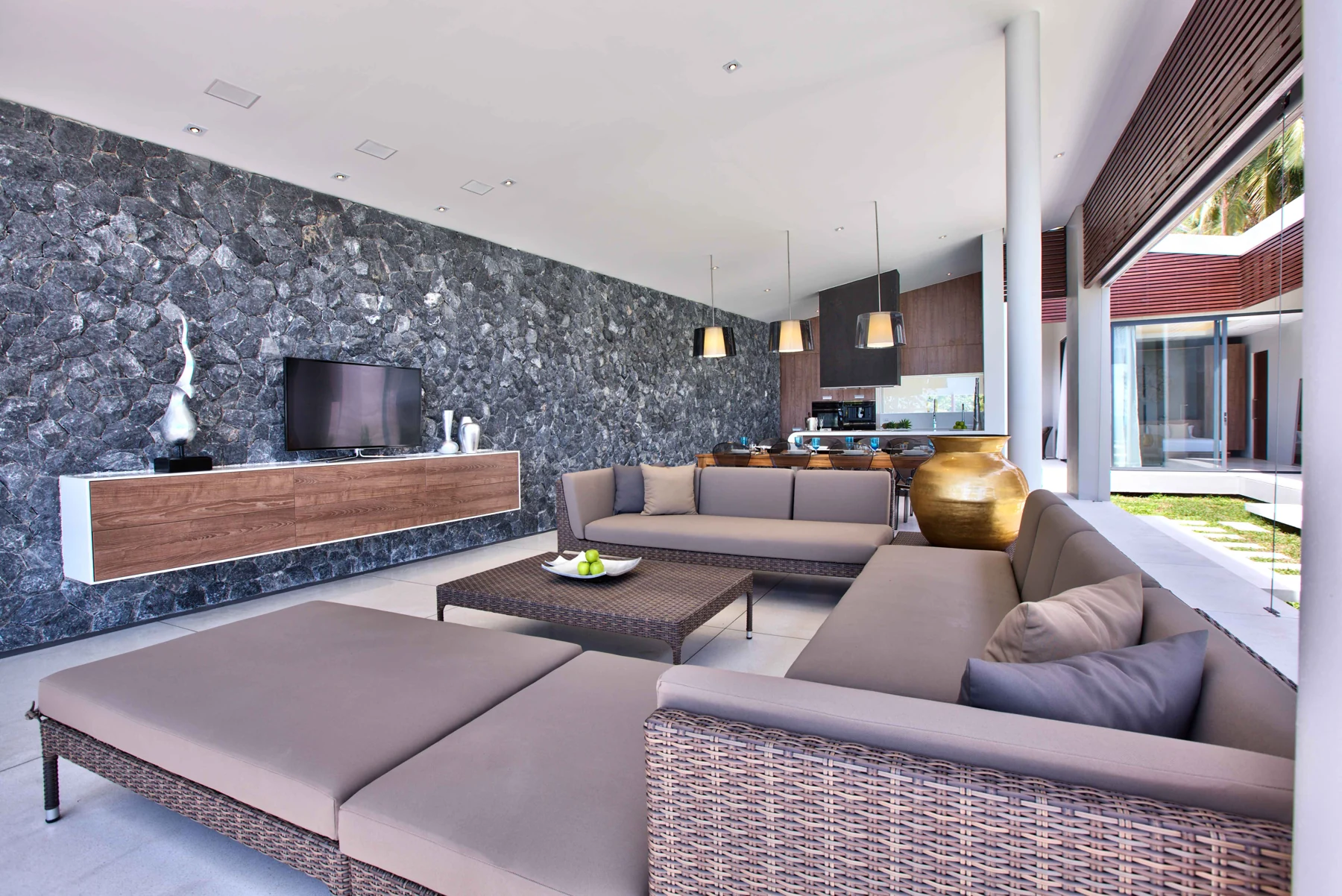
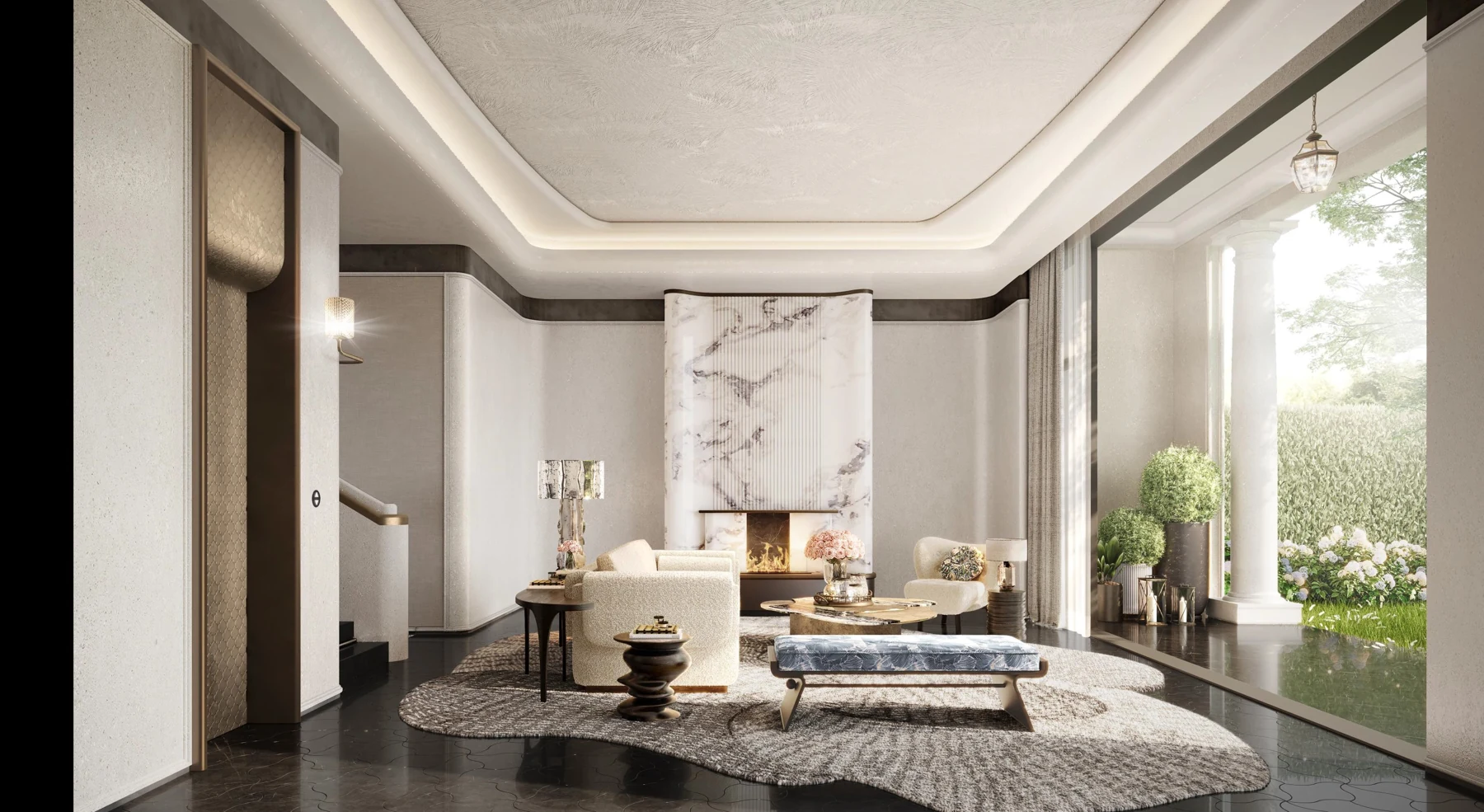
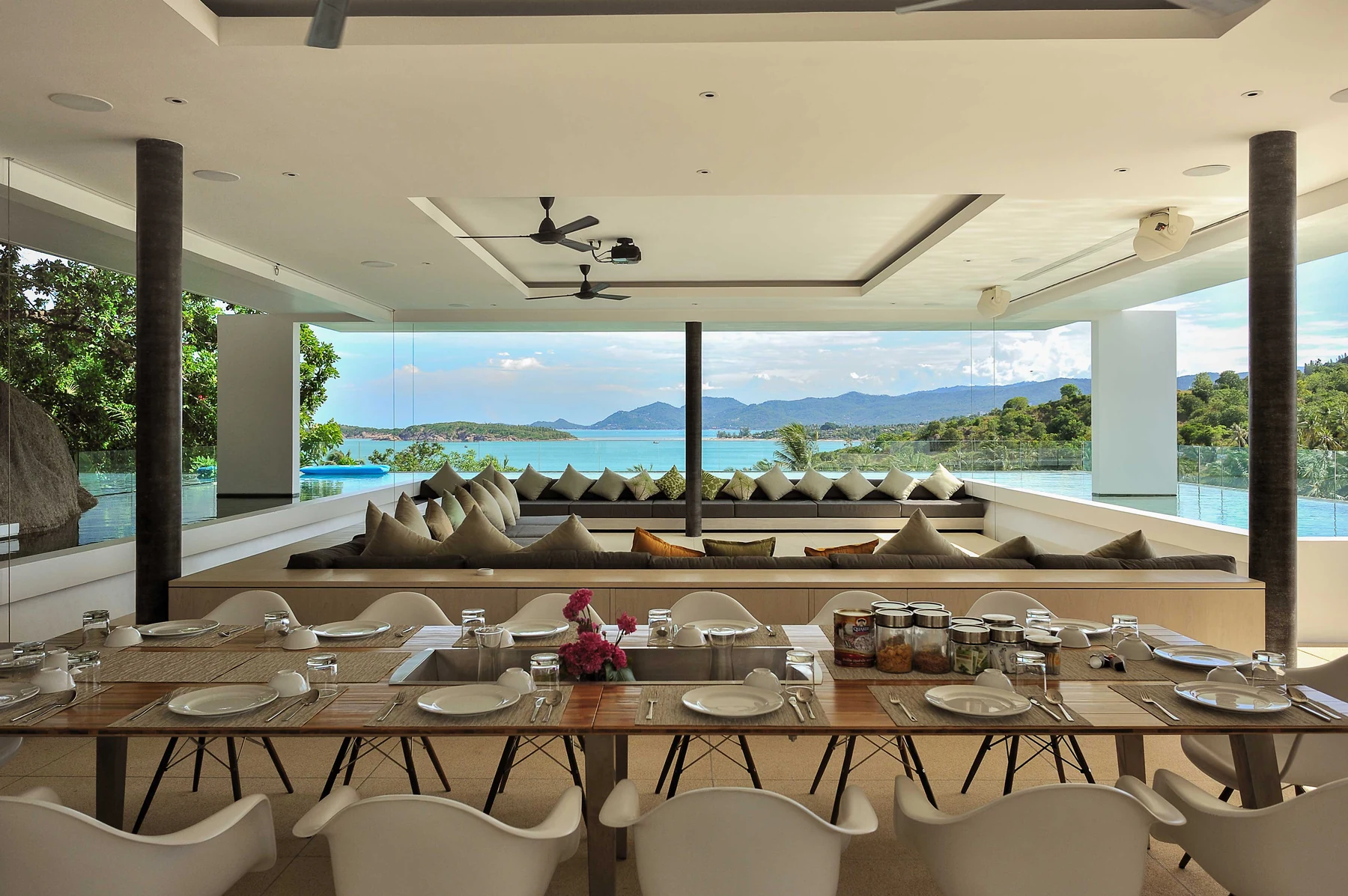
Emphasis on lifestyle zoning, natural ventilation, layered security, and bespoke detailing. Climate-responsive shading, garden integration, and durable luxury materials are non-negotiable.
Across all types, Jakarta homes must feel calm, protected, and adaptable—rumah sebagai tempat pulang yang nyaman (a home as a true place of comfort).
Unique Interior Design Ideas We Implement in Jakarta
1. Biophilic Integration for Urban Relief
Green walls, indoor gardens, and natural textures counteract density and pollution while improving wellbeing.
2. Adaptive Layouts for Change
Spaces designed to evolve—movable partitions, modular furniture, and flexible infrastructure.
3. Layered Lighting Systems
Ambient, task, and accent lighting responding to tropical daylight cycles and mood transitions.
4. Material Contrast Strategy
Balancing cool stone, warm wood, matte and reflective surfaces for sensory richness and durability.
5. Cultural–Modern Fusion
Abstracting local craftsmanship into contemporary forms rather than decorative pastiche.
6. Technology-Enhanced Experiences
Smart controls, integrated AV, and data-ready environments without visual clutter.
Each idea is grounded in Jakarta’s climate, behaviour patterns, and operational realities—not imported trends.
Why Interior Design in Jakarta Requires Local Intelligence
Jakarta’s regulatory environment, construction practices, and supply chains are complex. Effective interior design requires:
-
Knowledge of building typologies and strata regulations
-
Climate-specific detailing and maintenance awareness
-
Understanding of local craftsmanship and material availability
-
Coordination with consultants, contractors, and authorities
A strategic Jakarta interior design company brings not just creativity, but contextual intelligence—the ability to make design decisions that work in real life, on time, and within constraints.
Our Design Approach
-
Research & Site Analysis – urban context, user behaviour, operational goals
-
Concept & Spatial Strategy – zoning, circulation, experiential narrative
-
Visualisation & Detailing – materials, lighting, technical coordination
-
Execution & Project Control – quality, timeline, cost discipline
-
Styling & Handover – final calibration to ensure intent meets reality
Every step is driven by reasoning, not assumptions.
Transform Your Commercial or Residential Space in Jakarta
Interior design in Jakarta is a strategic tool—it shapes how businesses perform and how people live. Whether for hotels, offices, restaurants, or homes, success lies in design that understands the city.
As a professional Jakarta interior design company, our firm approaches each project as a response to Jakarta’s unique urban, cultural, and environmental conditions—creating spaces that are functional, meaningful, and future-ready.
Connect with us in