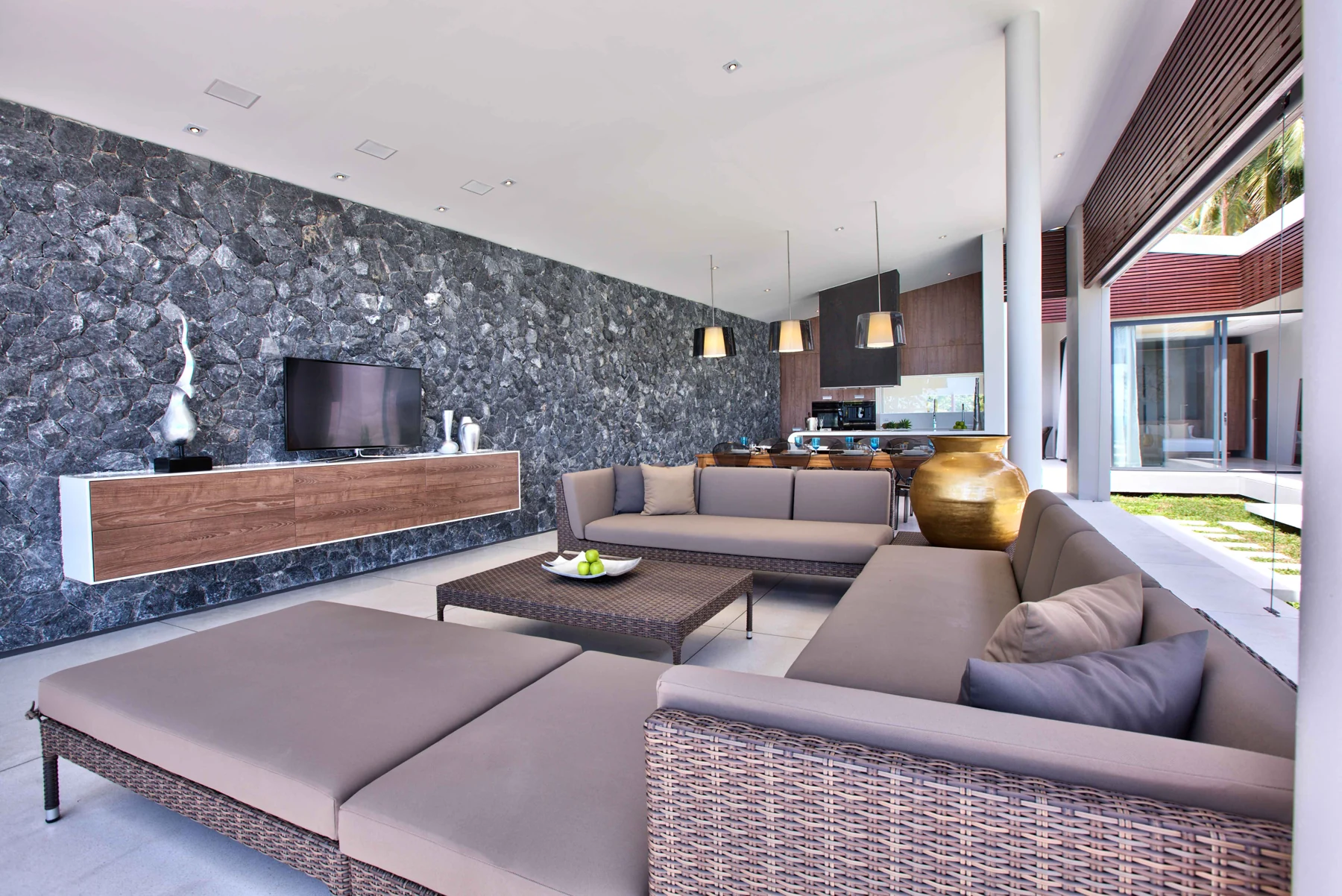
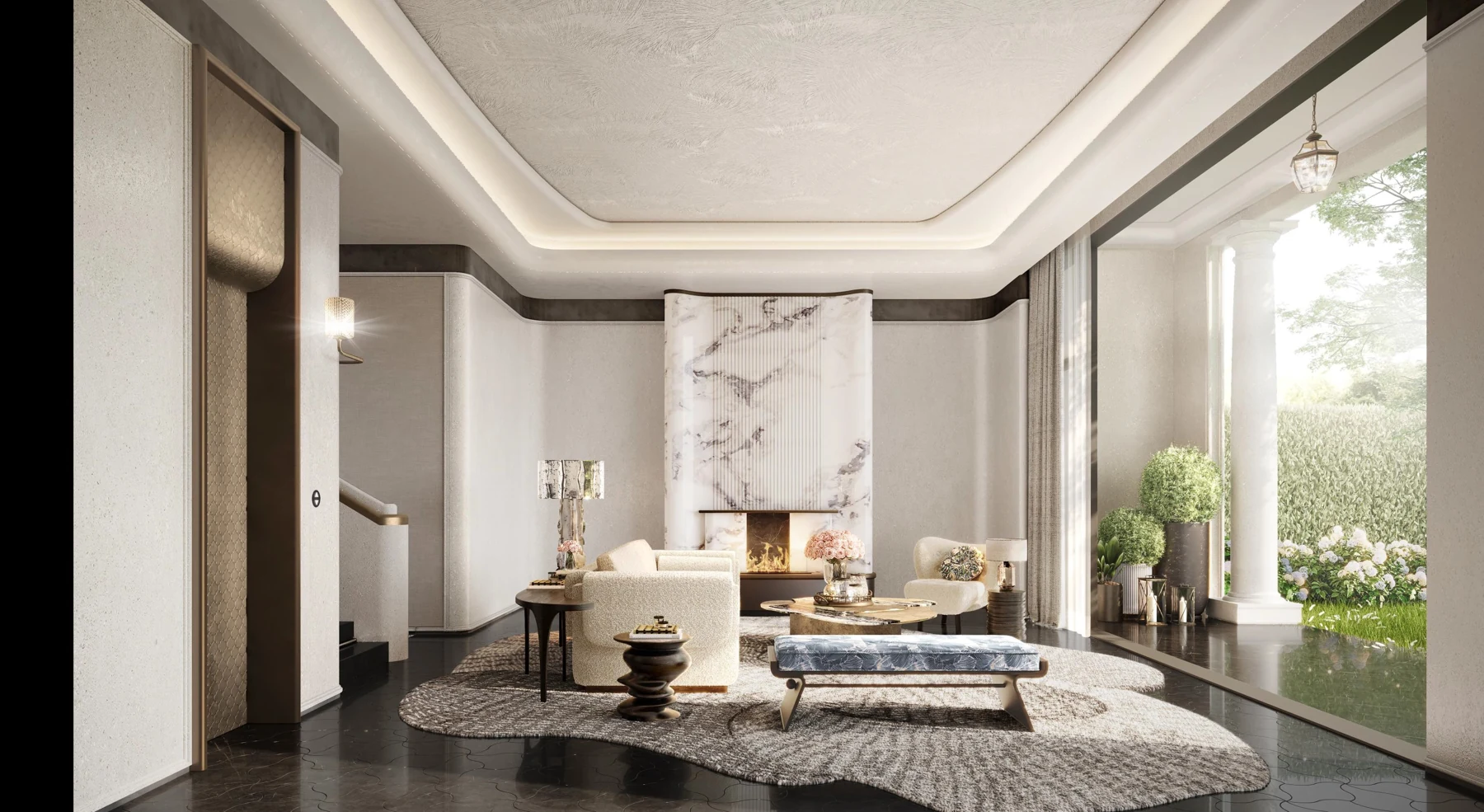
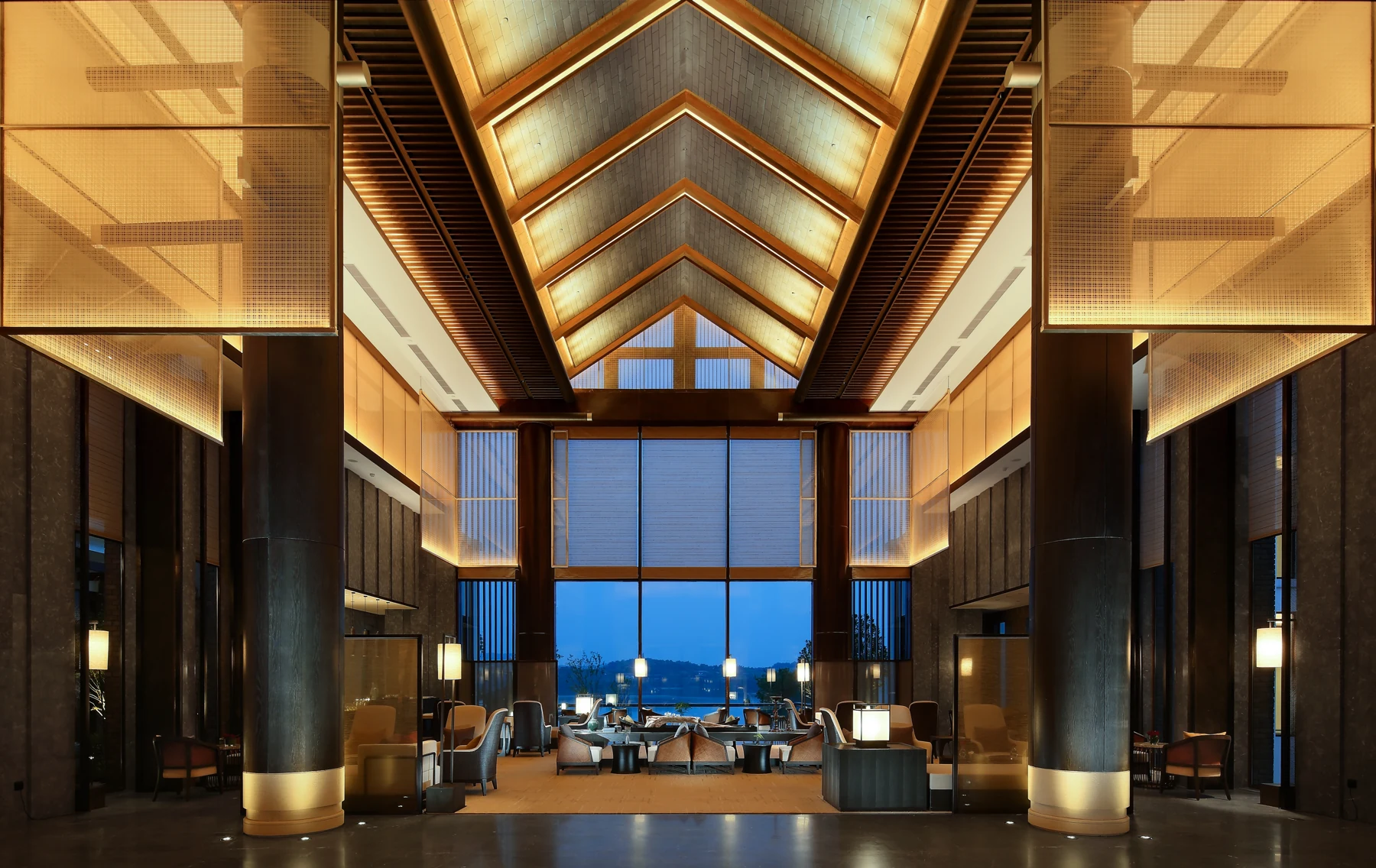
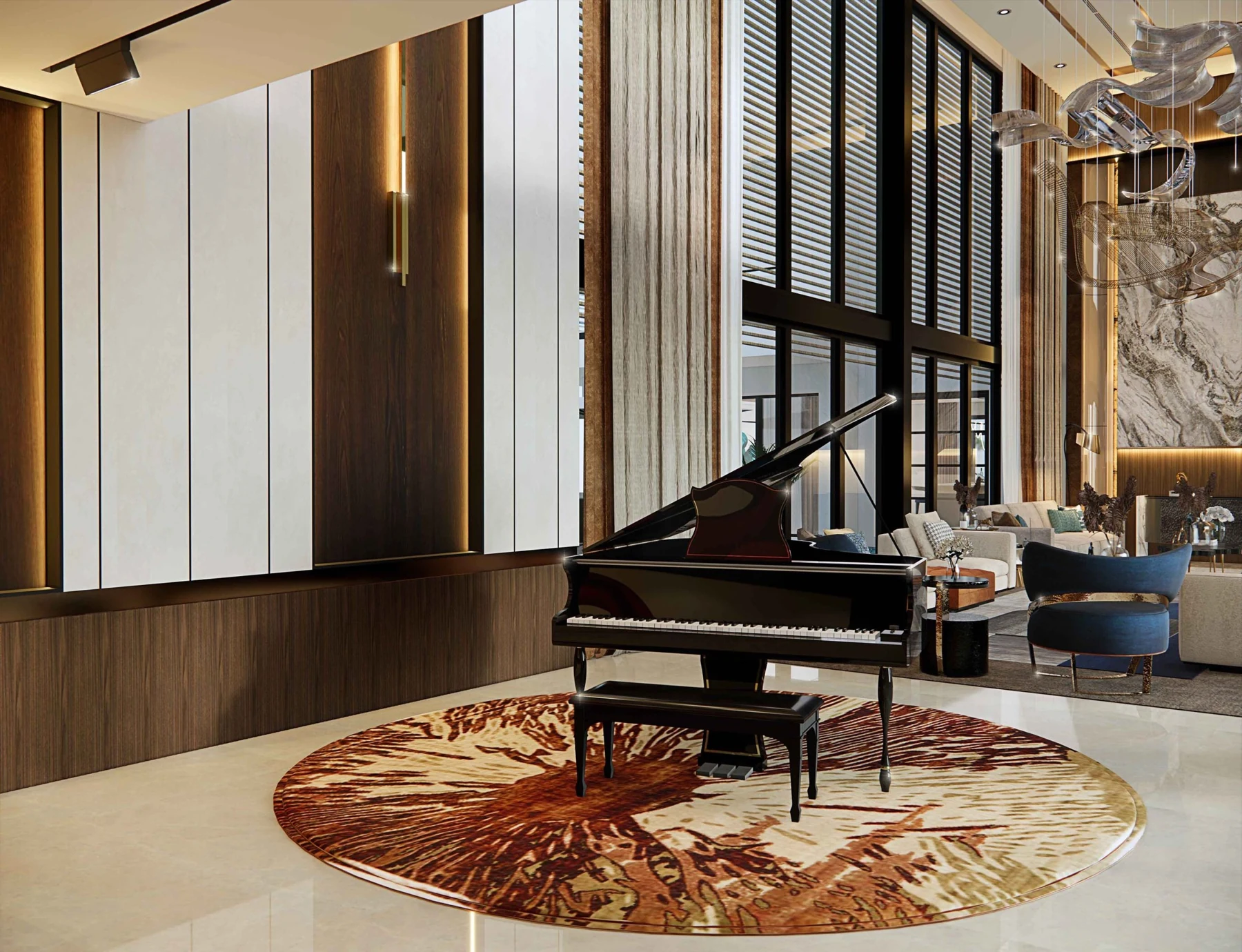
Jakarta Restaurant Interior Design — When Dining Becomes an Experience, Not Just a Meal
In Jakarta, dining is never just about food. It is about waktu bersama, status, storytelling, discovery, and emotion. From business lunches in SCBD, intimate dinners in Kemang, to destination dining in PIK and Senopati, restaurants compete not only on cuisine—but on experience.Restaurant Interior Design Jakarta
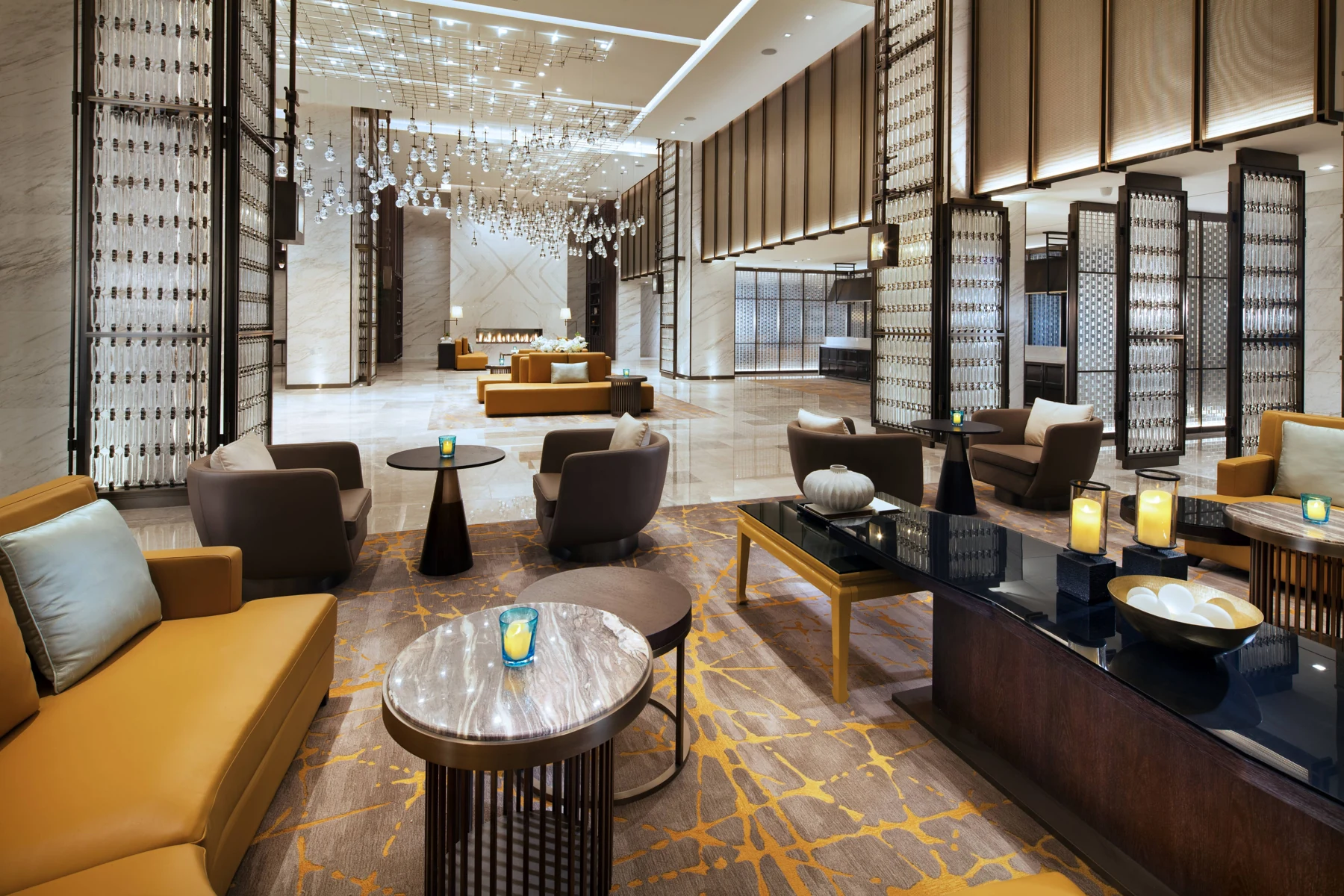
At our firm, we approach Jakarta Restaurant Interior Design not as decoration, but as experience architecture—a carefully choreographed journey where space, atmosphere, service flow, and brand narrative work together to shape how guests feel, stay longer, and return.
From Decoration to Experience: A Shift in How Restaurants Are Designed
Many restaurants fail not because the food is bad, but because the experience feels forgettable. Too often, interiors are treated as visual styling—Instagrammable corners tanpa pemahaman tentang alur tamu, kenyamanan, atau operasional dapur.
Di Jakarta, dengan persaingan F&B yang sangat ketat dan ekspektasi tamu yang tinggi, restoran harus dirancang untuk dirasakan, bukan hanya dilihat.
Experience-led design asks a different question:
What should the guest feel from the moment they arrive until the last sip of coffee?
Here Is How Experience-Driven Restaurant Design Is Achieved
1. Spatial Planning: Designing the Guest Journey
Every memorable restaurant has a clear spatial narrative.
-
Arrival & threshold moments create anticipation
-
Waiting areas reduce perceived waiting time
-
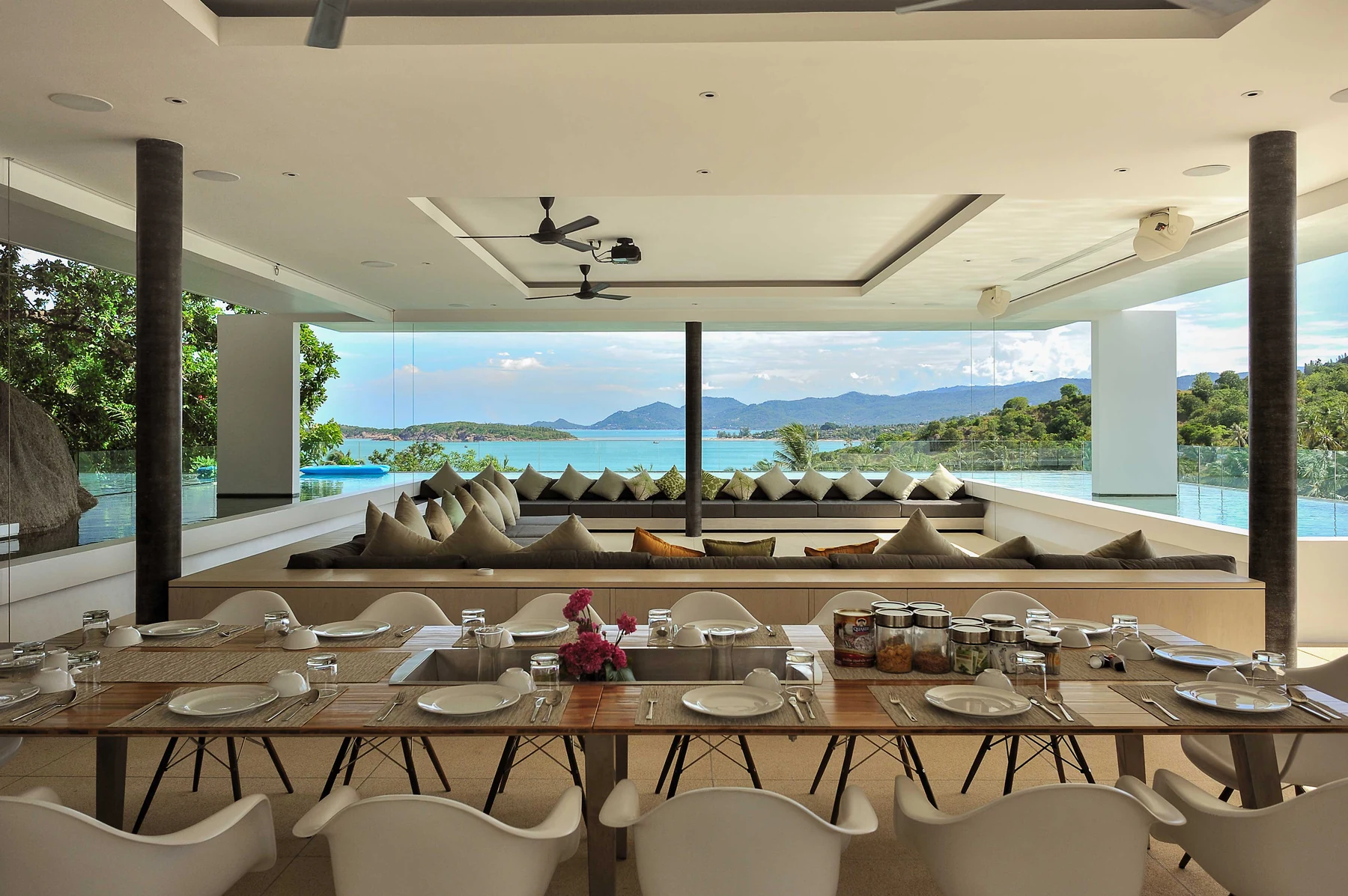
Dining zones balance intimacy and energy
-
Circulation avoids chaos between guests and staff
Di Jakarta Restaurant Interior Design, spatial planning must respond to:
-
High foot traffic
-
Group dining culture
-
Long dwell times
-
Mixed business & social dining patterns
Layout yang tepat menciptakan rasa nyaman tanpa terasa padat—penting di kota dengan urban density tinggi seperti Jakarta.
2. Atmosphere Is Strategy, Not Moodboard
Atmosphere is engineered, not accidental.
-
Lighting controls emotion—warm for intimacy, layered for depth
-
Acoustics protect conversation in busy dining rooms
-
Materiality communicates quality and authenticity
-
Scent & air flow influence appetite and comfort
Dalam iklim Jakarta yang panas dan lembap, material dan sistem HVAC harus dipilih dengan sangat hati-hati agar ruang tetap nyaman sepanjang hari.
Atmosfer yang baik membuat tamu betah lebih lama—dan secara langsung meningkatkan revenue per table.
3. Sensory Design: Engaging All Five Senses
Great restaurants are remembered sensorially.
-
The sound of cutlery on solid surfaces
-
The softness of seating during long dinners
-
The warmth of wood or stone under ambient light
-
The subtle aroma from the open kitchen
Pendekatan ini membuat pengalaman makan terasa personal dan emosional, bukan generik.
Di Jakarta, di mana tamu sering datang untuk merayakan momen—ulang tahun, closing deal, atau family gathering—sensory comfort becomes essential.
4. Brand Storytelling Through Space
A restaurant is a three-dimensional brand.
Interior design should communicate:
-
The chef’s philosophy
-
The origin of ingredients
-
The personality of the brand
-
The price positioning—tanpa harus dijelaskan
Rather than copy-paste global trends, Jakarta Restaurant Interior Design must feel rooted yet aspirational—global quality dengan sentuhan lokal.
Cerita brand yang kuat menciptakan emotional connection dan meningkatkan repeat visits.
5. Customer Flow & Operational Efficiency
Behind every beautiful restaurant is a well-orchestrated operation.
-
Efficient FOH & BOH zoning
-
Seamless service routes
-
Optimized kitchen adjacency
-
Clear staff circulation
Desain yang tidak selaras dengan operasional akan menciptakan bottleneck, service delays, dan kelelahan staf.
Di Jakarta, dengan jam sibuk yang ekstrem dan traffic-driven dining peaks, desain harus mendukung kecepatan dan konsistensi layanan.
Why Experience-Led Design Drives Commercial Performance
Restaurants designed for experience consistently achieve:
-
Higher dwell time
-
Stronger word-of-mouth
-
Better online reviews
-
Brand loyalty
-
Long-term profitability
Pengalaman yang baik membuat tamu kembali—not karena promosi, tetapi karena rasa keterikatan emosional.
Jakarta’s Dining Culture: Why Localization Matters
Jakarta diners are:
-
Social and group-oriented
-
Experience-conscious
-
Brand-aware
-
Willing to travel for destination dining
Design must respond to:
-
Business-meets-leisure culture
-
Evening-centric dining patterns
-
Diverse demographics—from executives to Gen Z
Tanpa pemahaman konteks ini, desain akan terasa asing—meskipun terlihat “mahal”.
Our Firm: Designing Restaurants That People Remember
As a global interior design and build partner, our firm specializes in experience-led hospitality environments.
Our end-to-end services include:
-
F&B concept and brand strategy
-
Spatial and customer journey planning
-
Interior architecture and detailing
-
Kitchen & FOH coordination
-
Fit-out and turnkey delivery
Setiap proyek Jakarta Restaurant Interior Design kami rancang dengan standar internasional, namun selalu relevan dengan pasar lokal.
Dining Is an Experience — Design Makes It Memorable
In Jakarta’s competitive F&B landscape, great food alone is not enough.
What guests remember is how the space made them feel.
When restaurant interiors are designed with intention—balancing emotion, function, and narrative—dining transforms into an experience worth repeating.
Connect with us in